
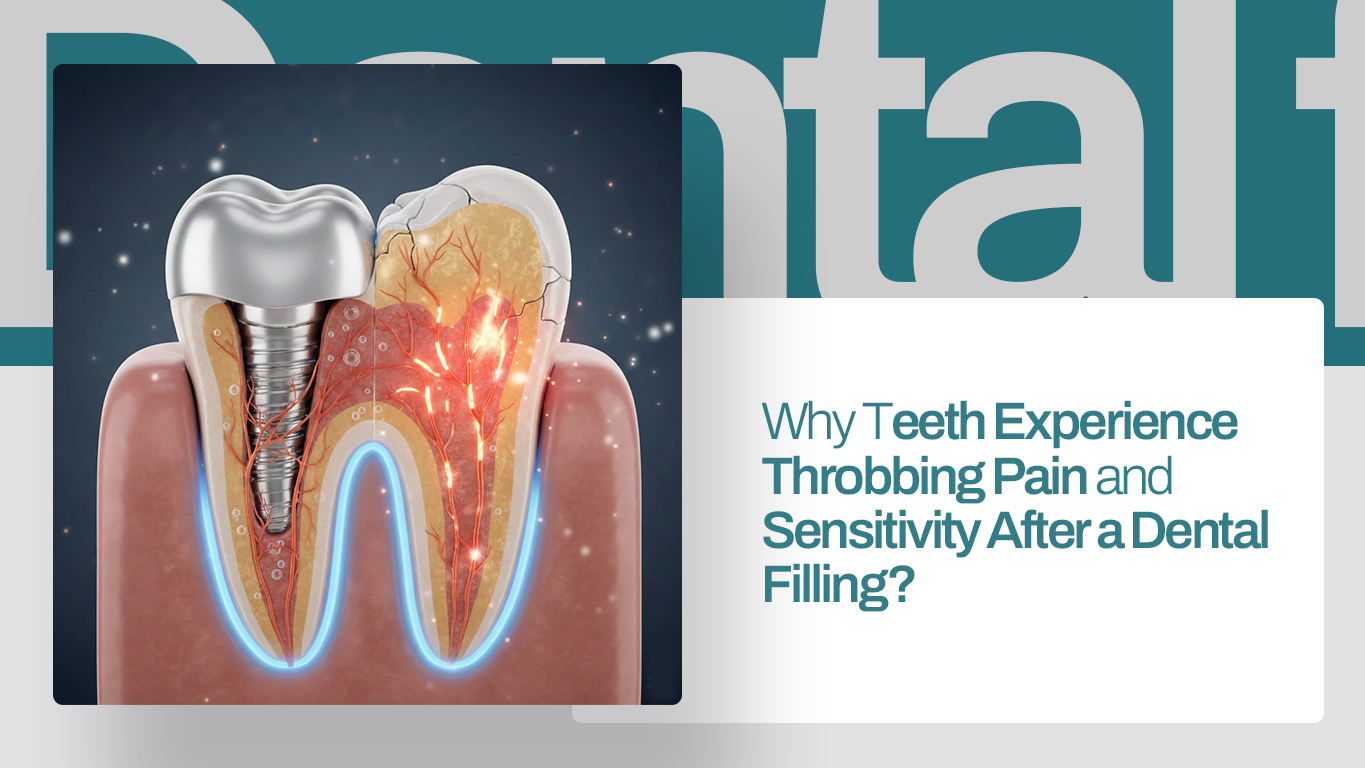
When a person has a cavity in their tooth, the chances are that the dentist will recommend dental filling for them. Dental filling is very safe, effective and prevents tooth decay. However, most of the times, patients experience throbbing pain and sensitivity that will go away within a few days or weeks. A person should seek immediate attention from their dentist if there is extreme pain, or if the discomfort is associated with other symptoms such as fever, swelling, and redness. This article will take a look at the reason why one experiences throbbing pain and sensitivity after dental filling and how to deal with the issue.
What is Dental Filling?
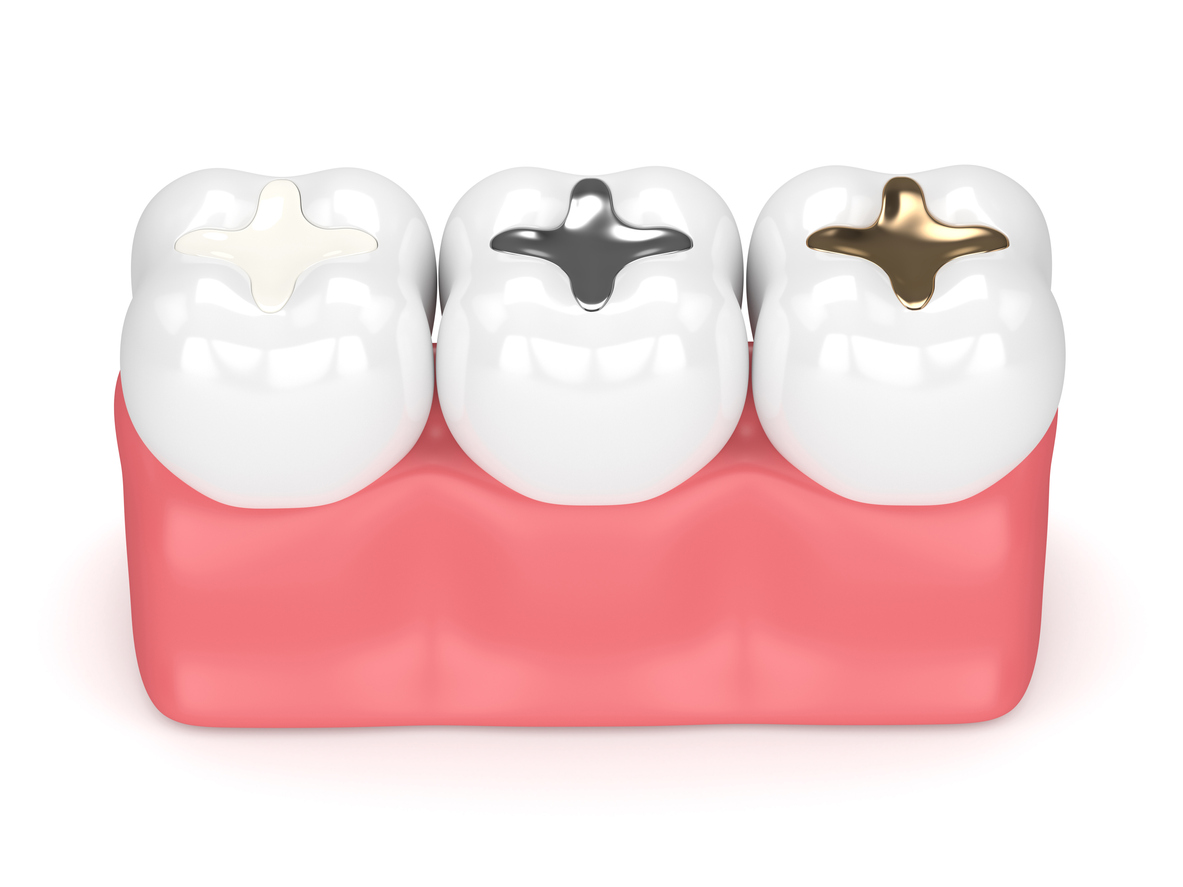
Dental filling is a common way used by dentists to treat cavities, which are small holes in the enamel that can later result in tooth decay if not treated. During the filling, the dentist uses a substance such as an amalgam or composite to fill the holes. This is done after the dentist has cleaned away any decay from the tooth. While this is a very simple dental procedure, it leaves many people with throbbing pain and sensitivity.
What to Expect After the Filling
During the procedure, the dentist will always numb the area around the affected tooth to avoid any pain and discomfort. You will probably not feel any pain within the first hour after the procedure. You might start noticing some unusual sensation in your mouth once the numbness wears off. These include:
- Tenderness in your gums
- Pain in your teeth, especially when taking hot or cold foods and beverages and breathing cold air
- Pain when clenching
- Pain in the teeth surrounding the filling
What Causes Throbbing Pain and Sensitivity After a Dental Filling?
In most cases, throbbing pain and sensitivity are normal and temporary after a dental filling. However, the pain and sensitivity may be due to other causes that might require attention from the dentist. Here are some of the causes:
- An Irritated Nerve
One may experience short term nerve sensitivity because the filling has aggravated a nerve or has caused inflammation in the nerve inside the tooth. The tooth structure consists of several layers; the outer one is the enamel, followed by the dentine and then the pulp, which contains nerve endings. Sometimes the filling can come close to the nerve ending and cause some irritation. However, as the tooth heals, the throbbing pain and sensitivity will slowly go away.
- Incorrect Bite
The dentist needs to make sure that the filling is in line with other teeth in the mouth. If the tooth is taller than the others, it can cause some extra pressure while biting down. This can cause pain and severe sensitivity. It is normal to feel some pain and sensitivity while biting down, which wears off after some time, but if the pain is unbearable, make sure you visit your dentist right away.
- Sensitivity to Hot and Cold
That feeling of a sudden jolt when you take a drink that is either too hot or too cold is because of the dentin layer, which sits directly underneath the enamel. This is very common, and it will eventually go away as your tooth gets used to it.
Most patients feel their tooth sensitive to cold after filling, particularly during the first days after the treatment.
- Deeper Fillings Sitting Closer to the Nerve
If your cavity needed a lot of decay removed, the filling naturally ends up closer to the pulp than a shallow one would. That’s usually why deeper fillings come with a bit more of a throbbing toothache after filling compared to smaller, surface-level ones.
This type of tooth pain after a deep filling is not usually a red flag on its own—it’s simply part of the healing process in many cases.
How Long Does the Pain Actually Stick Around?
In fact, in most cases, it disappears within a few days to a week. A deeper filling may take more time, taking close to two weeks.
In case you are curious about the duration of how long pain after a filling lasts, it largely depends on the depth of the cavity and your body’s reaction to that. If you are still experiencing pain from a tooth filling two weeks down the line, then this is the point when you need to have it checked out. This could be due to continued nerve irritation, an improperly adjusted filling, or even an infection below the tooth in rare cases.
When Should You Actually Worry?
Most of this is completely normal healing. But a few things mean it’s time to stop waiting it out:
- Pain that’s getting worse, not better.
- Swelling in your face or gums near that tooth.
- A fever showing up alongside the tooth pain.
- Sharp, sudden pain specifically when biting on that one tooth.
- Still hurting past two weeks.
- Any bad taste, pus, or odour near the filling.
If any of these show up, book an appointment don’t just sit on it.
A Few Things That Help While You Wait
- Stick to softer foods for a few days.
- Avoid extreme heat or cold until tooth sensitivity after filling fades.
- Grab a sensitive-teeth toothpaste.
- Warm salt water rinses help calm tender gums.
- Over-the-counter pain relief if you actually need it.
None of this replaces a dentist visit if things feel off, but it makes the waiting a lot more bearable and can help reduce tooth filling pain during recovery.
Conclusion
Throbbing pain and minor sensitivity should not be the cause of alarm after a dental filling. In most cases, the discomfort will wear off after some few days or weeks. However, you should see a dentist right away in case the pain and sensitivity worsens.
Related Posts
What happens when you get a Dental Filling?
Types Of Tooth Fillings And How To Choose The Best For Your Teeth
Teeth Filling – Know The Signs And Symptoms
Frequently Asked Questions
A tooth may throb after a filling because the nerve inside the tooth becomes irritated during the procedure. This is normal and usually settles within a few days.
Pain when biting may indicate that the filling is slightly too high, causing uneven pressure on the tooth. Your dentist can usually correct this with a simple adjustment.
Throbbing pain two weeks after a filling may be due to deeper nerve irritation, a high filling, or an undetected infection. A dentist should check it if pain persists.
Yes. Your tooth may be temporarily sensitive to hot or cold foods and drinks after a filling because the nerve needs time to recover. This sensitivity usually improves on its own.
Mild discomfort or sensitivity typically lasts a few days and may continue for up to two weeks, especially after a deep filling. If the pain persists beyond this or worsens, see your dentist.
You should contact your dentist if the pain becomes severe, lasts longer than two weeks, is accompanied by swelling or fever, or continues to worsen instead of improving.