
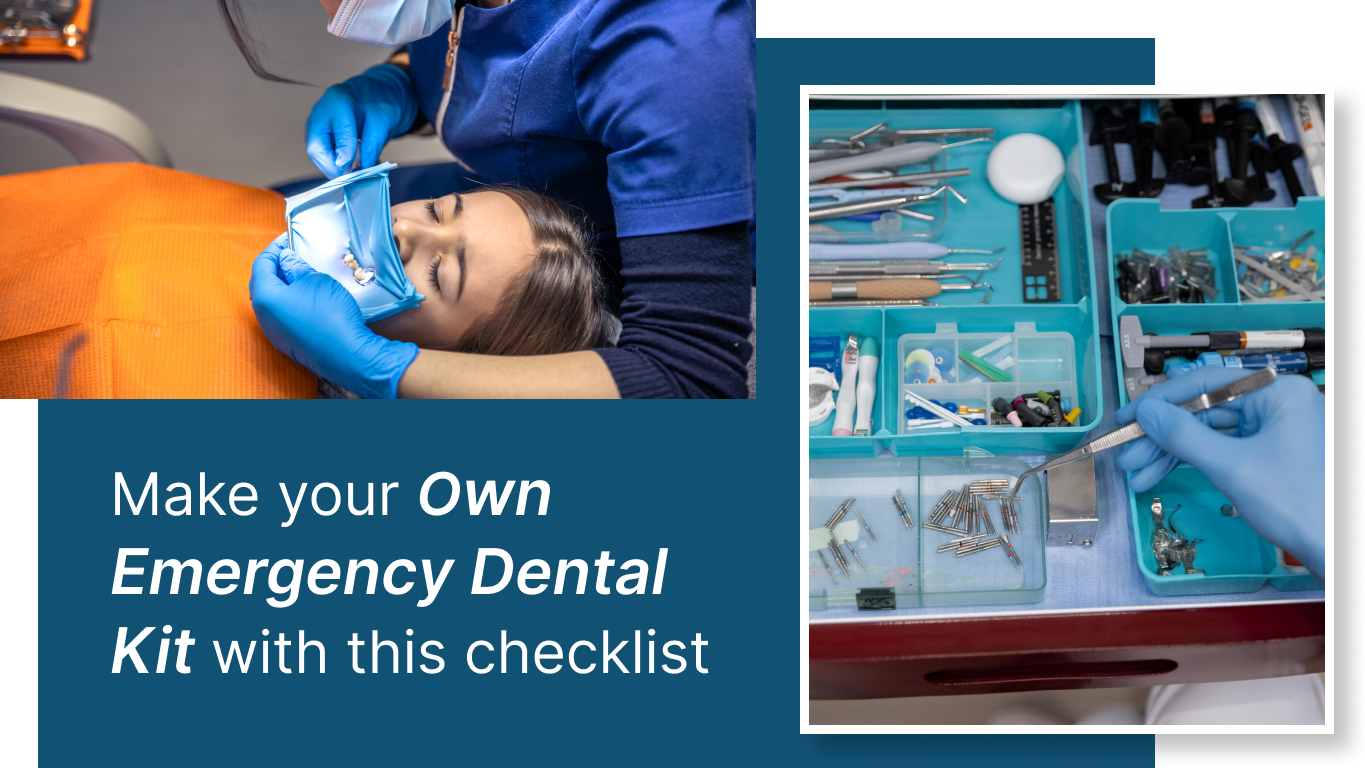
Most homes have a first aid kit sitting in a cupboard somewhere, easy enough to grab if someone scrapes a knee or burns their hand on the stove. But here’s something most people genuinely never think about until it’s too late, what about a dental first aid kit?
Kids get into all sorts of stuff, sports, playground chaos, just messing around in the backyard, and a fair bit of that ends in a chipped tooth or a bloody lip. Worth saving your dentist’s number somewhere obvious too, just in case tooth trauma actually happens on a random Tuesday afternoon.
A dental first aid kit, paired with your emergency contact list, genuinely comes in handy when you’re trying to figure out how bad an injury actually is and get to your dental office in time. Whether it’s a knocked-out tooth, a chipped filling, or some other kind of oral mishap, having the right stuff on hand stops a small issue from spiraling into something much bigger before you even see a dentist.
Truth is, most people only start thinking about this once it’s already happening, one of the kids takes a tumble playing backyard cricket, and suddenly there’s blood on their chin, and everyone’s panicking.
Setting Up an Emergency Dental Kit
Here’s something people skip way too often, actually writing down instructions for each item in the kit. If your gel or cotton wool is sitting there with no explanation, whoever grabs it in the middle of an actual emergency might not know what to do with it. So take ten minutes, scribble instructions on index cards or a scrap of paper, and toss them in with everything else. You’ll find most of these instructions online in a couple of minutes anyway.
Some people just ask their dentist directly what they should be including, honestly not a bad move either, especially if someone in the house has braces, dentures, or veneers. Those situations often need slightly different supplies than your average standard kit would cover.
Usually, an emergency dental kit includes the following:
- Cotton wool, for pressing against an injury to slow the bleeding down
- Pain-killing oral gel, for when a toothache decides to show up out of nowhere
- Clove oil, which eases oral pain and leaves your breath fresher as a bonus
- Antiseptic mouthwash, for rinsing out blood or leftover food and keeping infection risk down
- A dental mirror, so you can actually see what’s going on in there
- Latex or vinyl gloves, especially important if you’re helping someone else out, not yourself
What Else Belongs in Your Dental Emergency Kit Contents
Beyond those basics, there’s a handful of extra things genuinely worth throwing in if you want your kit to actually be useful and not just something for show. This is honestly where a lot of people’s dental emergency kit contents fall short, they’ve got the obvious stuff covered but nothing for the trickier situations.
For teeth and fillings
- Temporary filling material from the pharmacy, useful for a lost filling until you actually get to a dentist
- Dental wax, which smooths over sharp broken edges so they stop slicing up the inside of the mouth
- Petroleum jelly, handy for temporarily holding a loose crown back in place
- A small container with a lid, in case a tooth actually gets knocked out and needs to travel with you to the clinic
For pain and swelling
- Basic pain relievers, paracetamol or ibuprofen, whatever’s already sitting in your medicine cabinet
- A small cold pack, for swelling after a fall or a knock to the face
- Salt, for mixing into warm water if gums or cheeks end up injured
General first aid stuff
- Gauze and cotton swabs, for cleaning up and getting bleeding under control
- Tweezers, for carefully removing small bits of debris
- A torch or your phone’s flashlight, because peering into someone’s mouth at 11pm in bad lighting is basically impossible otherwise
- A spare toothbrush and some floss, just for basic hygiene while everyone waits things out
Dental Offices Need This Too, Just a Much Bigger Version
This isn’t only a household thing either. A first aid kit for dental practice use matters just as much, arguably even more, since clinics deal with a much wider range of situations than your average home ever will.
Sometimes it’s a small cut during a routine procedure. Sometimes it’s something far more serious, like a patient having an allergic reaction or a medical episode right there in the chair.
A proper medical emergency kit for dental office settings usually goes way beyond gauze and gel. We’re talking oxygen equipment, adrenaline for allergic reactions, glucose for diabetic emergencies, and gear for managing a patient’s airway if things go sideways mid-treatment.
An emergency medical kit for dental office use also needs regular checking, medications expire, equipment needs testing, and it’s genuinely not the kind of thing a clinic can set up once and forget about for years.
If you’re running a practice, this really isn’t something to treat as optional. It’s just part of taking patient safety seriously.
What to Actually Do When Something Happens
Here’s the thing though, having the supplies is only half the job. Knowing what to actually do with them matters just as much, because a box full of gauze isn’t going to help anyone if nobody in the house knows how to use it when it counts.
A few simple things worth remembering:
- Got a knocked-out tooth? Don’t touch the root, hold it by the crown instead, rinse it gently if it’s dirty, and try slotting it back into place, or just keep it sitting in milk until you reach a dentist
- Gums bleeding or a cut inside the mouth? Apply steady pressure with a clean piece of gauze for a few minutes
- Toothache acting up? Warm salt water rinse plus some oral pain gel while you sort out an actual appointment
- Lost a filling or crown? Keep the area clean and use temporary filling material or petroleum jelly to hold things over until it’s properly fixed
None of this replaces an actual dentist visit, obviously, but it buys you time and keeps things a fair bit more bearable until you get there.
What’s the Point, Really?
Picture this, your kid’s got a problem with their gums, or they’ve knocked a tooth loose messing around at home, and you’re miles from an emergency dentist because your regular one isn’t available, maybe even away on holiday. Without a proper kit ready and some idea of what to actually do with it, you’re pretty limited in what you can help with in that moment.
Having these supplies ready gives you the ability to control bleeding, ease pain a little, and keep whoever’s hurt reasonably comfortable while you figure out the next move. And honestly, keeping it all together in one spot instead of spread across three different drawers saves you exactly the kind of time you don’t have to spare in that moment.
Where You Actually Keep It Matters Too
Seems pretty obvious to state that many people create a wonderful first aid kit only to forget where they placed it after six months pass. Just place it somewhere easily accessible to you, the bathroom cabinet, a clearly labeled box next to your regular first aid kit, wherever is suitable for your home conditions. Or if your family spends a lot of time traveling around or playing sports, it might be wise to keep a miniature version in your car.
Conclusion
Indeed, the value of a dental emergency kit may not be overestimated in case of some unforeseen problems. Since you never know when it may occur, it is really important to prepare for such a situation beforehand. If you are wondering about what to pack in your kit, our dentists at Carrum Downs Dental Group will help you sort this matter out. Contact us anytime you need.
Related Posts
What Are The Ways To Avoid Dental Emergencies?
Dental Emergency? Visit Your Dentist Now!
Are You Prepared For Handling A Dental Emergency?
All you need to know about dental emergencies
Frequently Asked Questions
Cotton wool, gauze, pain gel, antiseptic mouthwash, gloves, a dental mirror, and your dentist’s phone number.
It’s built specifically for oral injuries, knocked-out teeth, lost fillings, bleeding gums, rather than general cuts and scrapes.
Yes, definitely. Practices need something far more advanced, covering allergic reactions, fainting, and airway problems too.
Some things overlap, like gauze and pain relievers, but dental wax and temporary filling material usually aren’t lying around otherwise.
Every few months is a good habit, mostly to swap out expired gels or medications before you actually need them.