
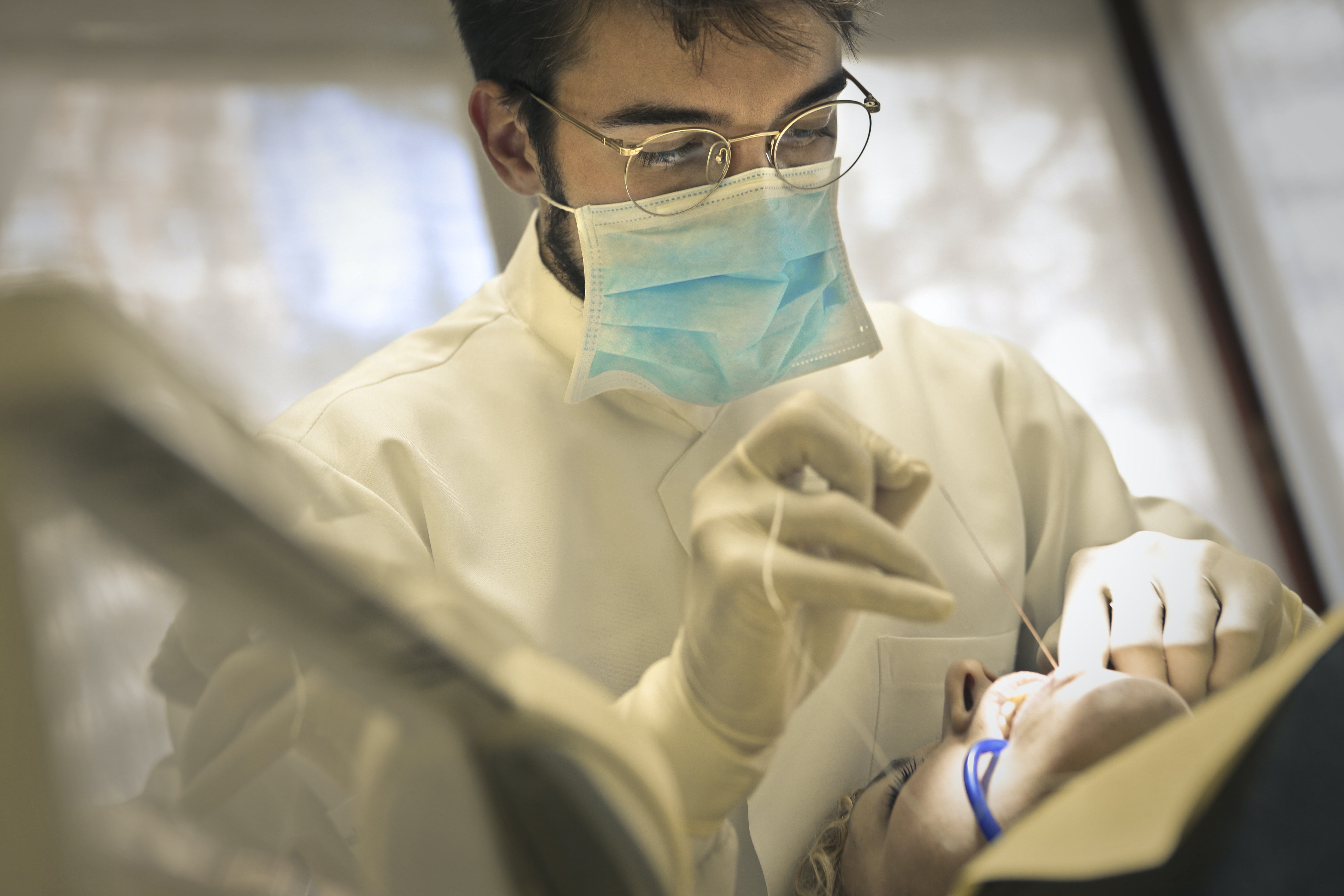
It’s 9pm, your tooth is throbbing, and you’re staring at the ceiling wondering: is this an emergency, or can it wait until morning?
We get it. Dental emergencies have terrible timing, and it’s not always obvious which problems need help right now and which can wait for a normal appointment. Here’s a plain-English guide to help you decide.
Main Reasons to See an Emergency Dentist
Not every sore tooth is an emergency. But these are the most common reasons to see an emergency dentist, and they shouldn’t be left to sort themselves out.
A Badly Broken Tooth
A tiny chip or crack can usually wait. A tooth that’s snapped in half or hurts a lot is another story. The damage often goes deeper than you can see and can reach the nerve. The longer you leave it, the more likely it is to develop complications, including infection.
A Knocked-Out Tooth
If you’ve had a knock to the mouth, try to see a dentist within 30 minutes, as prompt treatment gives your tooth the best chance of being saved.
Pick it up by the white crown, never the root. If it’s dirty, give it a quick, gentle rinse. Don’t scrub it. An adult tooth can sometimes be gently placed back into its socket if this can be done easily. If that’s not possible, keep it in a cup of cold milk and head straight to us. Baby teeth shouldn’t be put back in.
Here’s more on what to do with a knocked-out tooth.
A Lost or Broken Filling
Lost a filling but feel fine? Book a regular appointment. But if the tooth is throbbing or swollen, or there’s a sharp edge cutting your tongue, call us.
An exposed tooth can become sensitive and more vulnerable to further damage. We can assess the problem and arrange emergency dental fillings to protect the tooth where appropriate.
A Severe Toothache
Toothaches can come from decay, a cracked tooth, a gum infection or an abscess. If the pain keeps you awake, makes eating difficult or won’t ease with over-the-counter pain relief, please don’t tough it out.
We’ll work out what’s causing it, help relieve your discomfort and then talk through your treatment options. Our guide to severe toothache explains more.
Bleeding That Won’t Stop
A bit of blood when you brush isn’t usually an emergency, though it’s worth a check-up. Bleeding after an injury or extraction is different.
If it’s heavy or hasn’t stopped after about 15 minutes of firm pressure with clean gauze, get help urgently. If you can’t control the bleeding, go to your nearest hospital emergency department.
A Swollen Jaw or Face
Swelling often means infection, commonly a dental abscess.
If you also have a fever or a bad taste in your mouth, contact us urgently. If you’re having trouble swallowing or breathing, call 000 or go straight to the emergency department.
What Counts as Urgent Dental Care?
A good rule of thumb: if you’re in severe pain, swollen, bleeding heavily, or you’ve lost a tooth or injured your face or jaw, treat it as urgent.
A small chip, mild sensitivity or a loose crown that doesn’t hurt can usually wait for your next appointment. Still not sure? Give us a call. Describe what’s happening and we’ll help you decide.
How to Get Emergency Dental Care Quickly
If you’re wondering how to get emergency dental care fast, here’s what to do:
- Call us first. We’ll ask a few quick questions so we can understand what’s happening and arrange an appointment as soon as possible.
- Ease the pain and bleeding. Hold a cold pack against your cheek to help with swelling. If you’re bleeding, apply gentle, firm pressure using clean gauze.
- Keep any pieces. If you’ve knocked out a tooth or broken a piece of it, keep it in cold milk and bring it with you. Follow the instructions above for a knocked-out adult tooth.
- Don’t wait for a call back if it’s serious. If you have heavy bleeding or swelling that affects your breathing or swallowing, go straight to a hospital emergency department.
Getting help quickly can make a real difference to whether a tooth can be saved, so it’s always better to call early.
Dental emergency? Don’t wait it out. Contact our team today and we’ll get you in as soon as we can.
Can I Go to the Emergency Room for Tooth Pain?
You can, and in some cases you should. Hospitals are the right place for severe facial swelling, a spreading infection, a serious injury to the face or jaw, or trouble breathing or swallowing.
The catch is that most emergency departments can’t fix the tooth itself. They’ll assess your condition, manage urgent symptoms and may prescribe medication when appropriate, but you’ll generally still need a dentist to treat the underlying dental problem.
Can Hospitals Remove Teeth?
Sometimes, in serious cases involving a dangerous infection or major facial injury. For most routine dental problems, a dentist is better equipped to assess and remove a tooth safely and comfortably.
Your Emergency Dentist in Carrum Downs
When you’re in pain, the last thing you need is to be frantically searching “emergency dentist near me”. It’s much easier knowing who to call before something goes wrong.
Our team provides emergency dental care in Carrum Downs, with a calm, friendly approach when you’re feeling stressed. At our emergency dental office, you’ll receive caring emergency oral care, help managing your discomfort and a clear plan for what happens next.
Conclusion
Emergency dentistry is about much more than a toothache. If something feels off, trust your gut. Getting it checked early can help prevent the problem from becoming more serious and may reduce the need for more extensive treatment.
If you’ve noticed any of the signs above, book an appointment with Carrum Downs Dental Group today and we’ll look after you.
Related Post –
What to Do When a Dental Emergency Happens
5 Most Common Dental Emergencies and How to Deal with Them
Getting a Tooth Pulled: What to Expect During and After Tooth Extraction
Frequently Asked Questions
It’s treatment for sudden, serious mouth problems, such as a knocked-out tooth, severe toothache, swelling, an infection or bleeding that won’t stop. The goal is to ease your pain, protect the tooth and stop the problem from getting worse.
As soon as you can. For a knocked-out adult tooth, aim to see a dentist within 30 minutes. For other injuries, contact your dentist the same day so they can assess the damage and recommend the right treatment.
Only if it’s painful, swollen or cutting your mouth. If it isn’t bothering you, a regular appointment may be suitable. However, don’t leave it too long, as the exposed tooth can become more vulnerable to damage and decay.
Usually not. A small, painless chip can wait for a normal appointment. If it’s large, painful or sharp, or the inner part of the tooth may be exposed, contact your dentist straight away.
If it’s mild, you may be able to manage the discomfort with suitable over-the-counter pain relief and book an appointment for the morning. If it’s severe, keeps you awake or comes with swelling or a fever, don’t wait. Contact a dentist for urgent advice. If you have difficulty breathing or swallowing, seek emergency medical care immediately.